Simple daily activities seem painful and uncomfortable due to sciatica. Prolonged sitting or improper sleeping positions tend to increase discomfort. Luckily, the appropriate support may lead to a significant improvement. A cushion for sciatica is helpful to decrease pressure and enhance sitting comfort. Together with healthy living, ergonomic support can improve your quality of life.

Understand Why Sitting Triggers Sciatica Pain

Long sitting puts continuous strain on the hips and lower back. This strain may irritate the sciatic nerve and cause more pain. The problem is even aggravated by poor posture and unsupportive chairs. Restricted movements decrease blood flow within the muscles affected. Short walks and stretching frequently will reduce painful flare-ups throughout the day.

Choose the Right Seat Cushion for Daily Comfort

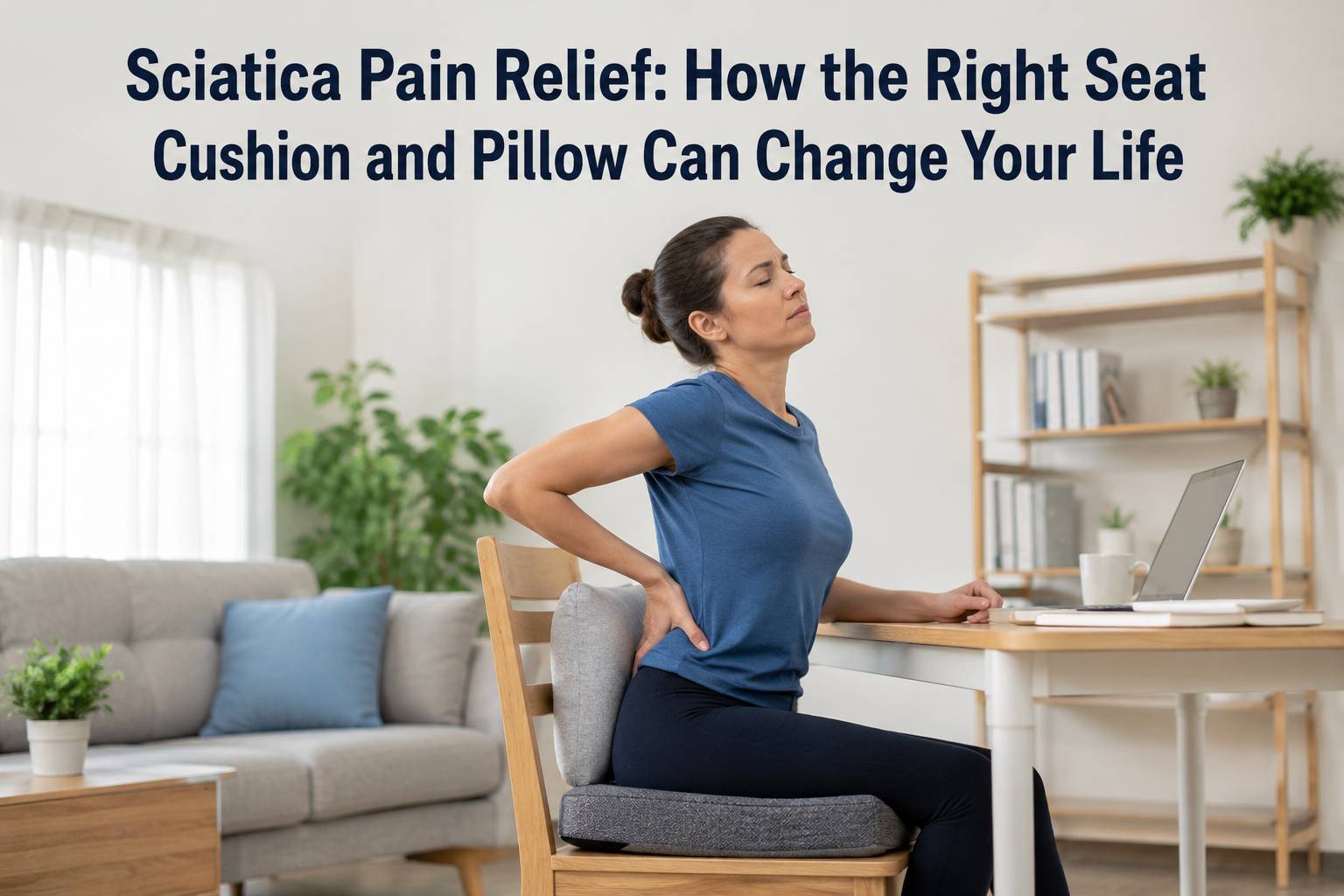
A quality seat cushion for sciatica is more comfortable when working, traveling, or sitting for long hours in one place. Ergonomic designs evenly divide the body weight over the seating surface. This would reduce tension on the lower spine and tailbone. A lot of experts suggest the best seat cushion for sciatica due to its advantages for sitting comfort and posture. The supportive cushion is used to decrease fatigue when sitting for long hours.

Improve Sleep with Better Body Positioning

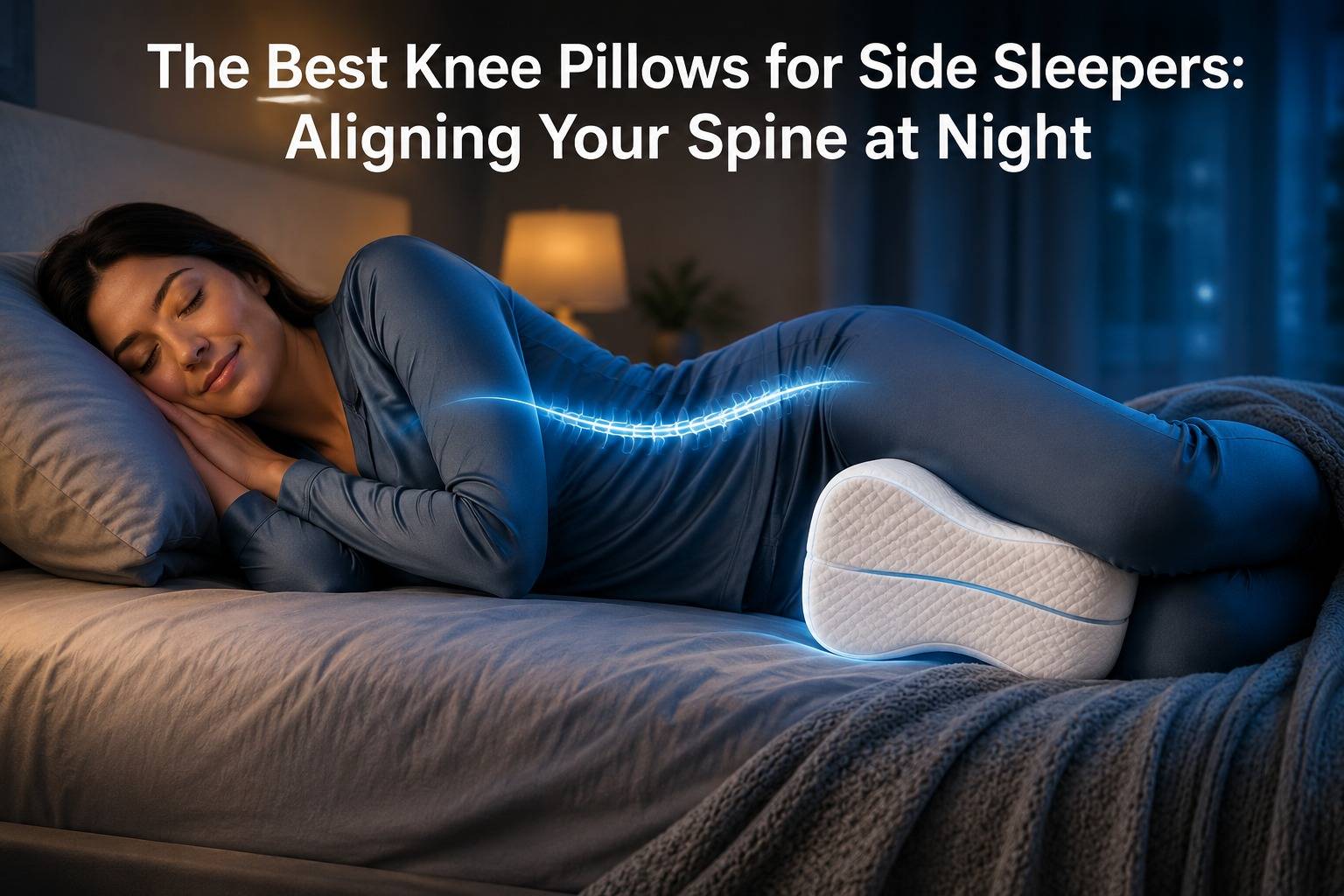
Your sleeping position directly influences sciatica pain and recovery. Poor sleep patterns may cause pain in the lower back during the night. Side sleeping is usually regarded as the most comfortable position. Placing a sciatica pillow for sleeping between the knees keeps the spine properly aligned. Improved body positioning will decrease morning stiffness and contribute to quality sleep.

Find the Perfect Pillow for Night-Time Relief

A supportive pillow is not only good for enhancing sleeping comfort. It also eases unnecessary tension on muscles and nerves around them. With adequate positioning, the body will be more relaxed during sleep. A good sciatica pain relief pillow can be used to ensure healthy posture throughout the night. Sleep is usually associated with increased recovery and less pain.

Manage Sciatica Pain During Work and Travel

Correct sitting position and ergonomic support would facilitate day-to-day activities and reduce stress on the sciatic nerve.

  • Adjust Your Sitting Posture

Sit straight with supported back and both feet flat. The best seat cushion for sciatica enhances sitting posture during extended sitting periods.

  • Take Regular Movement Breaks

Stretch at least once every 30 to 60 minutes. Minimal walking helps to enhance blood flow and decrease muscle rigidity.

  • Set Up an Ergonomic Workspace

Adjust your chair, desk, and monitor for a healthier spine position. Having a comfortable workstation will lessen the needless pressure on your lower back.

  • Support Your Lower Body While Driving

Be sure to adjust your car seat to a comfortable sitting posture. A cushion for nerve pain in legs provides extra support and improves comfort during long drives.

Build Healthy Habits for Long-Term Relief

Ergonomic support can be supplemented by simple lifestyle changes that would reduce sciatica pain over time.

  • Stretch Regularly

Light stretching enhances flexibility around the lower back and hips. It reduces muscle tightness, which irritates the sciatic nerve. Do stretching regularly to improve movement and reduce pain.

  • Stay Physically Active

Light exercises make the spine and pelvis supporting muscles stronger. Some activities, such as walking or swimming, are not hard on the body. Frequent movements prevent stiffness due to long-term sitting.

  • Maintain a Healthy Weight

Obesity exerts more stress on the lower back. Reducing this strain can help minimize sciatica symptoms over time. A healthy diet and exercise are beneficial in weight management.

  • Practice Proper Lifting Techniques

Always bend your knees instead of your back when lifting objects. Hold the load close to your body so that it becomes easier to support. Adequate lifting techniques can be used to avoid excessive stress on the lower spine.

Know When Professional Care Is Necessary

Supportive care and lifestyle changes help to improve most mild sciatica symptoms. Nevertheless, chronic pain cannot be overlooked. Consult a doctor in case of numbness or muscle weakness. Early diagnosis avoids complications and contributes to quicker healing. With professional guidance, you will receive the best treatment.

Conclusion

Sciatica can be managed with the help of appropriate support and regular self-care. Ergonomic cushions, supportive pillows, and healthy habits can be used effectively. Pain and mobility can be improved by making small changes every day. Exercise is beneficial for spinal health in the long term. You can work and rest more comfortably with the appropriate attitude.

Read more blogs

0
    0
    Your Cart
    Your cart is emptyReturn to Shop